MLS Is Rewriting Its Calendar and Testing Its Commercial Playbook.
The 2027 Sprint Season will give clubs fewer home matches, a compressed commercial window, and new questions about sponsorship delivery. The implications extend far beyond the league schedule.
By Jayme Washington | Behind the GoalNovember 12, 20269 min readFree
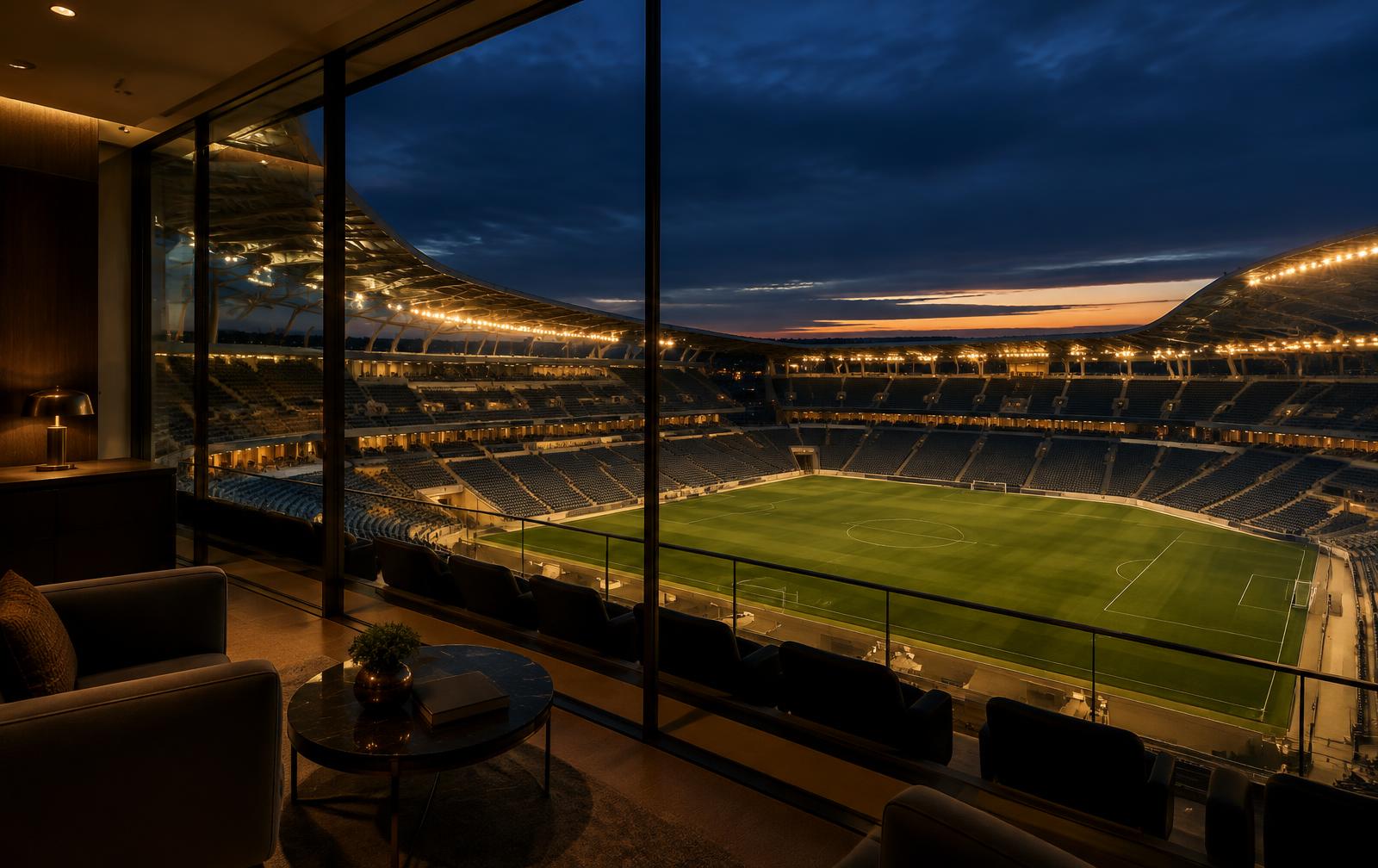
Illustrative photograph · A soccer stadium at dusk. Not a documentary image of an MLS match.
Seven home matches. That is the regular-season inventory each Major League Soccer club will have during the 2027 Sprint Season, a transitional competition that will precede the league's move to a summer-to-spring calendar. For players and coaches, the shortened schedule creates a more concentrated competitive environment. For the executives responsible for generating revenue, it presents a different challenge: how to protect the commercial value of an organization when the calendar on which that value has traditionally been delivered is changing.
Beginning February 19, 2027, MLS clubs will compete in a 14-match regular season, with seven games at home and seven away. The competition concludes with the playoffs and MLS Cup over Memorial Day weekend. The league will then begin its new international-style calendar in July 2027, bringing its schedule into closer alignment with leading soccer leagues around the world. The subsequent 2027–28 regular season will return to the standard 34-match format.
The transition represents a significant sporting decision, but its commercial implications deserve equal attention. Soccer clubs are not simply teams that compete on scheduled dates. They operate businesses built around ticket sales, corporate hospitality, sponsorship agreements, media distribution, fan experiences, and relationships with their surrounding communities. Changing the calendar means examining how those commercial systems will continue to deliver value.
What the World Cup Taught Me About Commercial Planning
During the FIFA World Cup 2026, I served as an Experiential Director at Boston Stadium, where I worked across seven matches and experiential marketing involving 32 brands. One of the most important observations I carried away from that assignment concerned the relationship between the stadium, the surrounding city, and the commercial opportunities available to sponsors.
In Boston, the fan festival was approximately 27 miles from the stadium. From a spectator's perspective, the World Cup was one enormous global celebration. Operationally, however, those experiences were separated by geography, transportation requirements, scheduling considerations, and different patterns of fan movement. A brand activating near the stadium was not necessarily reaching the same audience as one engaging supporters elsewhere in the host region.
That distinction matters because sponsorship value is not determined solely by the size of the audience associated with a sporting event. It also depends on whether a brand can reach its intended audience at the right moment and within an environment that supports meaningful engagement. A successful activation requires an understanding of how fans arrive, where they gather, what they experience, and how those interactions connect to the sponsor's commercial objectives.
I see a similar planning challenge emerging with MLS, although the circumstances are different. The league is not changing the distance between venues and fan festivals. It is changing the timing and concentration of its competition. Clubs and sponsors will need to examine whether their existing activation strategies, operating assumptions, and commercial commitments are designed for the new schedule rather than simply transferring familiar programs to different dates.
Illustrative photograph · Manicured soccer turf. Not a photograph of the author's World Cup assignment.
Fewer Matches, Different Commercial Decisions
A standard 34-match MLS regular season provides each club with 17 home games, creating recurring opportunities for ticket sales, sponsor exposure, hospitality experiences, and community engagement. The 2027 Sprint Season reduces that regular-season home inventory to seven matches. Although this is a temporary transition rather than a permanent reduction, the commercial implications are immediate.
Consider a corporate sponsor whose agreement includes stadium signage, matchday hospitality, consumer engagement, and promotional activities. The partnership may have been developed around a particular number of home fixtures or a broader annual activation calendar. A shortened competition introduces questions about how those benefits will be delivered, whether alternative opportunities are needed, and how performance should be evaluated.
The answers will depend on individual contracts and the arrangements between clubs and their commercial partners. Nevertheless, the broader challenge is clear. Sponsors and rights holders must distinguish between the rights included in an agreement and the practical opportunities available to activate those rights effectively.
Season ticket holders present another consideration. Clubs must determine how to package and communicate two consecutive competition cycles occurring within a relatively short period. Some supporters may welcome a condensed season followed by the beginning of the new calendar, while others will evaluate the financial commitment, available match inventory, and renewal terms. What matters commercially is whether clubs can maintain confidence and continuity through the transition.
The Sprint Season may create scarcity and heightened interest around individual fixtures, particularly rivalry matches and the postseason. Scarcity, however, is not a substitute for a revenue strategy. Clubs will still need to translate interest into sustainable ticket demand, corporate relationships, and continued fan engagement.
Global Alignment Creates Opportunities Beyond Competition
MLS has identified several advantages to adopting the international calendar, including improved alignment with FIFA international windows and greater flexibility in the global player transfer market. Those changes could make it easier for clubs to recruit players and integrate new signings into their sporting plans.
There is also a commercial opportunity. International player acquisitions can influence ticket demand, merchandise sales, media attention, and the attractiveness of sponsorship partnerships. A calendar that more closely resembles those of European and other international leagues may create opportunities for coordinated marketing programs and cross-border commercial relationships.
However, global alignment does not automatically generate global commercial growth. Clubs must still establish meaningful connections with international audiences and demonstrate why their brands, players, and experiences deserve attention in an increasingly competitive soccer marketplace.
Media distribution will also play a role. Since the 2026 season, MLS matches have been included with an Apple TV subscription without requiring the separate MLS Season Pass previously offered. The Sprint Season will continue that model, with matches available in more than 100 countries and regions.
For commercial partners, broader distribution creates opportunities to build campaigns connecting the physical matchday experience with digital storytelling and international audiences. The challenge is determining how those opportunities translate into meaningful audience engagement and measurable business outcomes. Global availability provides access, but it does not establish that audiences will watch, engage, or purchase.
The league's decision to move MLS Cup to May adds another dimension. The championship will occupy a different position within the American sports calendar, potentially avoiding some competition with the NFL's most prominent late-season events. It will also compete for attention during a period that includes the NBA and NHL playoffs, Major League Baseball, and other sporting properties. The commercial opportunity is different, but the competition for attention remains.
The Fan Experience Must Adapt Alongside the Calendar
Geography presents another challenge. A February match in Miami offers different operating conditions from one in Chicago, Toronto, or Minnesota. MLS has accounted for seasonal differences in its new calendar, including a winter break and scheduling considerations for colder markets. Even so, weather, transportation, spectator comfort, and local consumer behavior remain important factors in planning matchday experiences.
These considerations are particularly relevant to sponsors whose partnerships depend on physical engagement. Outdoor activations, product sampling, hospitality programs, and community events may perform differently depending on the time of year and the host market. A program that works well during a summer evening may require a different approach during a cold-weather fixture.
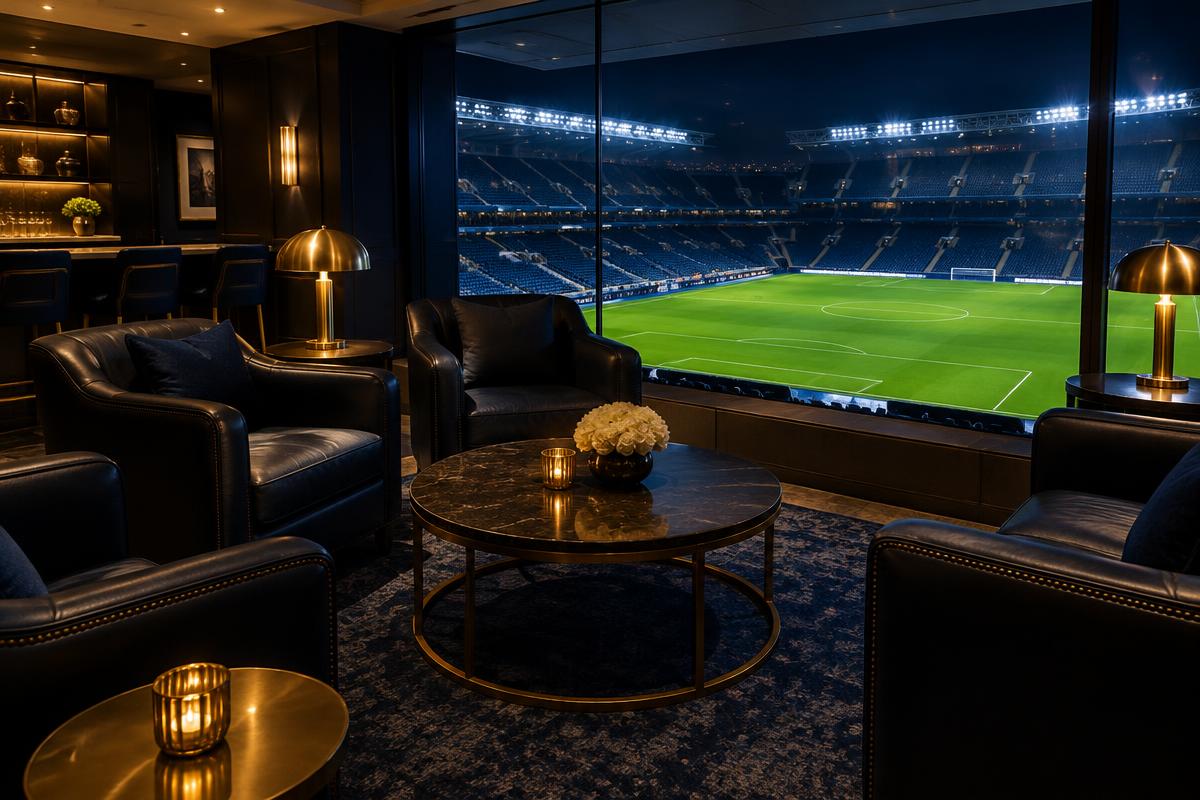
Illustrative photograph · A stadium hospitality setting. Not an actual MLS event or confirmed venue.
My experience with global events has reinforced that the fan experience begins long before spectators reach their seats. Transportation, arrival patterns, surrounding businesses, sponsor installations, and venue operations all contribute to the commercial environment. Those considerations become more consequential when the competition calendar changes and organizations must make decisions within a compressed planning window.
For clubs, the task is to ensure that commercial planning evolves alongside sporting operations. For sponsors, it is an opportunity to examine whether their investments are structured around genuine audience behavior or simply around the availability of branded inventory.
The Business Test Ahead
The Sprint Season will provide an early indication of how effectively MLS clubs can manage a significant structural transition. Executives will need to evaluate the effect on season ticket renewals, sponsorship delivery, hospitality revenue, media engagement, and the relationships that sustain their businesses beyond individual matches.
An especially important measure will be what happens after the transitional championship. Clubs will move quickly from one competition cycle into preparations for the next, with limited time to evaluate results, adjust commercial plans, and reengage supporters. The ability to maintain relationships through that period may ultimately prove more important than the immediate excitement generated by a shortened season.
The broader opportunity for MLS is substantial. Aligning more closely with international soccer could strengthen the league's position in the global sporting economy. Yet the commercial benefits will not emerge simply because the league changes its competition dates. They will depend on how effectively clubs and partners translate the transition into stronger experiences, more valuable commercial relationships, and sustainable audience growth.
MLS is not simply changing when soccer is played. It is changing the calendar on which clubs and sponsors build their businesses. The organizations that recognize the distinction will be better positioned to turn a significant sporting transition into a lasting commercial opportunity.
Behind the Goal covers the people, partnerships, investments, and commercial decisions shaping global soccer.
The author's World Cup experience and the approximately 27-mile distance are firsthand accounts, not claims documented by MLS. Behind the Goal is independent and is not officially endorsed by FIFA or MLS.
Behind the scenes at FIFA World Cup 2026, the difference between securing a sponsorship and delivering an extraordinary fan experience became impossible to ignore.
Manchester United has its new manager. U.S. Soccer has a reported $10 million release payment and a much bigger question about the future of American soccer.
At 3 a.m., a conversation about FIFA World Cup sponsorship rights revealed a costly misunderstanding: purchasing access to the world's biggest sporting event does not mean purchasing every opportunity within it.
By Jayme Washington · November 14, 2026
The BTG Newsletter
Up to five stories a week on the business of global soccer.
Everyone covers the game. We cover the people, partnerships, money and decisions behind it.